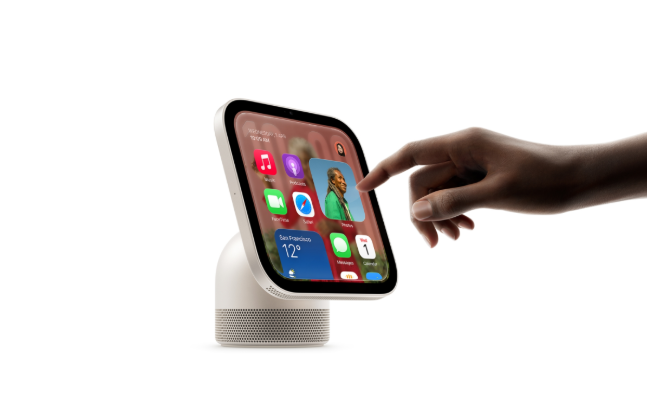
The findings represent a setback for Apple, which has made improvements to the repairability of several products in recent years, including its iPads and second-generation HomePod.
According to repair specialists at iFixit, the new HomeView is particularly difficult to open, with technicians breaking a speaker, damaging a connector and placing considerable pressure on the logic board during disassembly.
One of the biggest problems is the seven-inch display, which is held in place by strong adhesive that makes removal difficult without risking damage.
Apple has also integrated the device’s aluminium housing into its thermal management system, using it to dissipate heat generated by internal components.
While the approach helps manage temperatures, the thermal bonding between components makes removing the logic board risky and complicates repairs.
The design raises questions about Apple’s approach to repairability, particularly as the company has demonstrated that it can make other products easier to service.
The teardown also revealed differences between the two HomeView models that could influence purchasing decisions.
Despite both versions selling for A$449, the wall-mounted model uses smaller speaker drivers than the tabletop version.
Customers choosing the wall-mounted model must also purchase the mounting hardware separately, adding to the overall cost.
Although smaller speakers do not automatically translate into poorer audio performance, the difference could matter to consumers planning to use the HomeView for music as well as smart home control.
The findings are particularly concerning given the expected lifespan of smart home products, which are generally installed for several years rather than replaced as frequently as smartphones.
For a device designed to become a central part of Apple’s connected home ecosystem, difficult repairs could increase ownership costs if components fail outside the warranty period.
The teardown suggests that while Apple has made progress in improving the repairability of some products, those improvements have not necessarily carried over to its latest smart home hardware.