
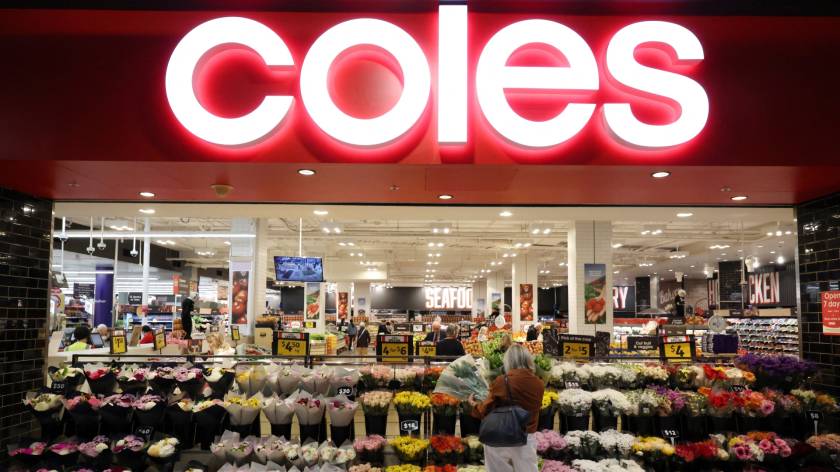
Data security experts say the Coles cyber security incident shows digital threats to Australian businesses go far beyond stolen data, while urging smaller traders to monitor their own security.
On Monday, the supermarket giant revealed it had fallen victim to a “cyber security incident” and subsequently recruited global security experts to “contain and secure the Coles IT environment”.
Related Article Block Placeholder Article ID: 349064
Microsoft confirms global outage not caused by AI or cyberattack, as services return to normal
Coles did not reveal the precise nature of the breach, but said its early investigations found no evidence its customer, team, or supplier data had been accessed or stolen.
The supermarket chain said customers can shop as per usual, both in-store and online.
The incident follows data breaches affecting Qantas customers, and more recently, customers of Origin Energy , Quest , and Who Gives A Crap .
Smarter business news. Straight to your inbox.
For startup founders, small businesses and leaders. Build sharper instincts and better strategy by learning from Australia’s smartest business minds. Sign up for free.
By continuing, you agree to our Terms & Conditions and Privacy Policy .
While there is no evidence sensitive data was accessed in the Coles incident, Alex Jenkins, director of Curtin University’s WA Data Science Innovation Hub, said the business still has cause for concern.
A sufficiently damaging cyber attack could “steal information or interrupt payments”, while the company’s supply chain is “a major concern”, he told SmartCompany.
“Getting food from suppliers through warehouses and onto shelves is a complicated operation that depends heavily on IT,” said Jenkins.
“If those systems go down, deliveries can stop, shelves can empty and fresh food can spoil.”
The Coles incident is backdropped by several dramatic cyber attacks on European supermarkets, in which hackers successfully turned off freezers — and in some cases, raised their temperature to 50C.
There is no evidence such attacks have taken place in Australia, but Jenkins said they exposed real vulnerabilities facing some supermarket businesses.
“Someone getting into an office computer shouldn’t be able to change the temperature of the freezers,” he said.
Small businesses not free of cyber threats
As one of Australia’s largest and most well-known businesses, with a wealth of data across its online shopping and loyalty systems, Coles is an obvious target for cyber criminals.
But Jenkins said smaller retailers should not ignore their own security obligations, just because they have smaller profile than the supermarket giant.
“Don’t assume you’re too small to be targeted,” said Jenkins.
“Use multifactor authentication, keep software updated, and check that your backups actually work.”
The data expert also called on businesses to gameplan scenarios where their software systems are knocked offline, and whether they could still deliver vital services to customers.
Related Article Block Placeholder Article ID: 346005
Government urged to restore funding for axed Cyber Wardens program
Lauren McKee, practice leader at commercial law firm LegalVision, said small businesses should also consider the legal consequences of a successful data breach.
“Businesses often assume they’ll only need to think about their legal obligations after a data breach, but the law expects them to be prepared well before an incident occurs,” she said in a statement provided to SmartCompany .
Many small businesses lack internal processes guiding how they handle sensitive customer information, which can catch those businesses out if they are hacked.
And signing deals with third-party providers might not fully insulate SMEs from blowback if those providers themselves sustain a data breach.
“SMEs often sign software or marketing contracts without checking the data terms … and that’s risky where the supplier handles customer lists, payment data or employee records,” said McKee.
Coles says more updates to come
Beyond recruiting a cyber security consultancy to quarantine the cyber threat, Coles says it is working with the Australian Cyber Security Centre and has pledged to provide updates on a dedicated webpage.
“Making the incident public and bringing in specialists are sensible first steps,” said Jenkins.
“The next thing I’d want to see is regular updates, even if the update is that they’re still working out what happened,” he added.
SmartCompany contacted Coles for an update on the cyber incident, its causes, and what systems were affected.
The business pointed to its existing statement, with a spokesperson saying Coles would provide more information online where appropriate.
Never miss a story: sign up to SmartCompany’s free daily newsletter and find our best stories on LinkedIn .
Senior Business Journalist
Focused on the small business sector, David’s work covers the political, regulatory, and economic issues facing Australian entrepreneurs. Prior to joining SmartCompany, he was a reporter for Business Insider Australia. You can follow him on LinkedIn.
Recommended for you
Nick Scali manually processes orders after cyber breach forced systems offline
Eloise Keating Aug 14, 2026
Six million Qantas customers hit by “significant” data breach
David Adams Jul 2, 2025
Origin Energy investigates potential data breach after warning millions of customers
Rebel Wylie Jul 23, 2026
