
Immigration
Five EU countries set to unveil Rwanda 'return hub' deal
AFP - news@thelocal.at
Published: 16 Nov, 2026 CET. Updated: Mon 16 Nov 2026 09:48 CET
Add The Local as a preferred source
Five EU countries including Germany, Austria and Denmark were set to announce a deal to establish a migrant deportation centre in Rwanda on Monday – the first such facility outside the bloc, with the EU welcoming the initiative.
The group, also comprising Greece and the Netherlands, has been gunning to open a "return-hub" despite rights groups' concerns, after the European Union cleared the way with a recent toughening of migration rules.
The five have kept the location under wraps as they negotiated with potential hosts, but European diplomats and other people briefed on the talks have indicated Rwanda as the chosen country.
The African nation had confirmed in August it had begun "preliminary discussions" with several European states.
It is sending a delegation to a migration conference in Vienna, where several sources said the agreement would be unveiled at a press conference on Monday.
Ministers from the five EU countries gathered in the interior ministry in Vienna from 2:30 pm local time (1330 GMT) for a "working session".
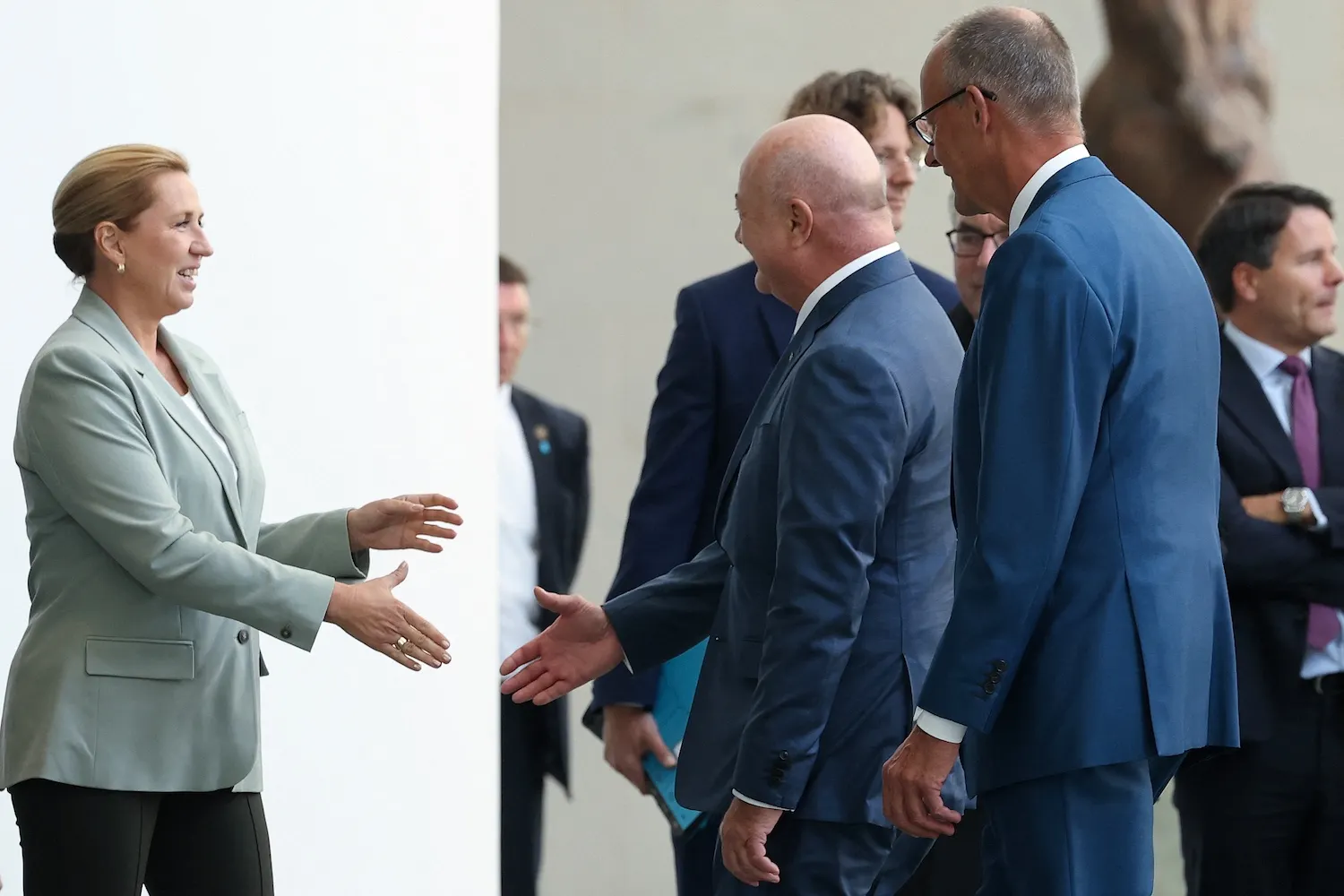
After that, they were scheduled to join Austrian Chancellor Christian Stocker and visiting Danish Prime Minister Mette Frederiksen at a press conference at 4:00 pm, according to the Austrian government.
Ahead of the meeting, European Commission spokesman Markus Lammert welcomed the plans, noting that the EU had been "closely following the preparatory work of the five member states for such a return hub".
'Stop EU Rwanda-deal!'
Around 100 protesters gathered in Vienna on Monday, holding placards with slogans such as "Stop EU Rwanda-deal!"
The announcement will mark the culmination of an EU push to boost deportations launched in 2024, amid a souring of public opinion on migration.
Migrant arrivals have steadily declined over the past three years, as the bloc struck deals to stem departures with a host of countries in Africa and the Middle East.
But migration has remained a hot-button issue, fuelling far-right electoral gains across the bloc.
Policymakers' focus has now turned to improving the repatriation system, which currently sees less than 30 percent of people who are ordered to leave the bloc returned to their country of origin.
An EU reform granting authorities broader detention powers and allowing for the creation of return hubs was approved earlier this year.
Proponents say such centres – which would serve either as the final destination or as transfer centres for those expelled – could facilitate repatriations and act as a deterrent for would-be irregular migrants.
But critics have questioned their effectiveness, pointing to the hurdles faced by similar projects and likening them to "legal black holes" that could see migrants stranded in limbo with little oversight.
The choice of Rwanda has also caused concern, with Human Rights Watch pointing to its "well-established record of repression of dissent, arbitrary detention, ill-treatment in detention" and support for an armed anti-government group in the neighbouring Democratic Republic of Congo.
In 2022, Rwanda reached a similar deal with Britain to take irregular migrants before their asylum claims were heard but the accord was later scrapped by the UK.
It is among a number of African countries to have received migrants from the United States under a similar, contested US immigration scheme championed by President Donald Trump.
Unlike the discarded British plan, the EU's scheme would see rejected asylum-seekers sent to the African nation.
The five EU countries have expressed hope to have a centre up and running in 2027.
Diplomatic sources say the hub in Rwanda will be initially run as a pilot, hosting about 100 people, with each of the five nations possibly sending around 20 migrants.
It would not be a detention facility, with Rwanda inclined to name it a "welcome centre" to underscore the possibility for some migrants to stay and work in the country, a source said.
The United Nations' International Organization for Migration (IOM) could play an ancillary role.
The EU Agency for Fundamental Rights (FRA) warned that any potential arrangement "must fully respect EU law".
Become a member or log in to continue reading
Join the conversation in our comments section below. Share your own views and experience and if you have a question or suggestion for our journalists then email us at news@thelocal.com . Please keep comments civil, constructive and on topic – and make sure to read our terms of use before getting involved.
Please log in here to leave a comment.
The Local Europe AB Västmannagatan 43 113 25 Stockholm Sweden
About us Contact us News Archive Search articles Find jobs Post a job ad Advertise with us
Login Become a member Help Centre Corporate access
News Travel news Covid-19 Politics Opinion Reader questions All topics
Get daily news straight in your inbox
By signing up you agree to our Terms of Use and Privacy Policy. We will use your email address to send you newsletters as well as information and offers related to your account.
2026 The Local, All Rights Reserved.
Manage Cookies Privacy Policy Terms & Conditions


