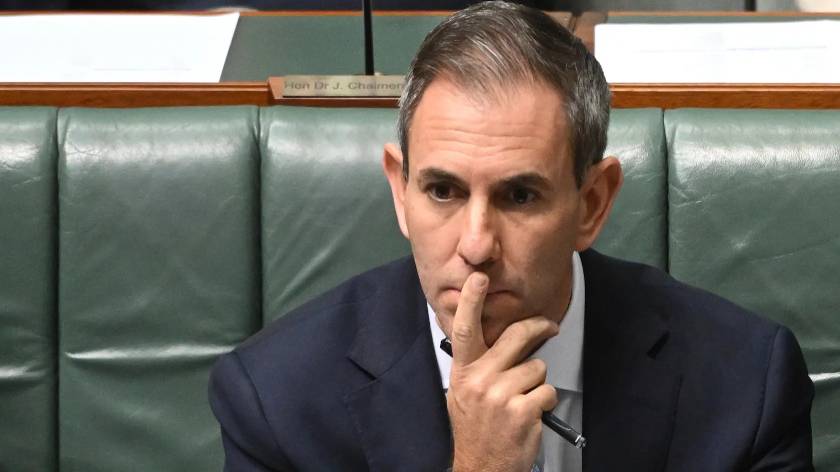
Federal treasurer Jim Chalmers has stepped in to address rising anger from the business community over the Australian Tax Office (ATO) banning credit card payment on debts.
The ATO move was due to kick off from December 1, amid a broader ban on credit credit card surcharges.
While the government argued on one hand that the move would only affect a small number of business owners, the payment costs to the tax office were in the hundreds of millions.
Around 5% of small businesses paid tax by credit card in FY2025 (and 2% of individuals), and the change added pressure for operators relying on credit to manage cashflow.
Taxation commissioner Rob Heferen emailed ATO staff a week before Chalmers announced the government postpone implementation by another seven months saying the ATO couldn’t absorb the costs “given the scale of the merchant fees involved”. The processing costs were estimated at around $200 million annually.
“Ultimately, those costs are borne by taxpayers,” Heferen wrote.
Get the best of Startup Daily straight to your inbox
Want to know the latest in startup news? Subscribe to our daily news and analysis coverage on what’s happening to ANZ startups, investors and the broader ecosystem. And best of all, it’s FREE!
By continuing, you agree to our Terms & Conditions and Privacy Policy .
“The merchant fees would otherwise need to be met through public funding, effectively shifting the cost from the individual choosing to pay by credit card, to the broader community.”
The ATO faced the same costs squeeze as SMEs after the RBA ended surcharges on debit and credit card payments on October 1.
The RBA argued surcharging had become confusing and increasingly difficult to avoid in the smartphone wallet era – 23 years after the central bank permitted surcharges.
Interchange fees, part of card processing costs, were reduced, but as the ATO’s numbers demonstrate, the expenses remain substantial. And unlike retailers, the Tax Office can’t increase prices to cover increased transaction costs. When negotiations with the card companies failed to lower fees sufficiently the ATO pulled the pin.
Friday’s announcement only kicks the problem further down the road for small business, rather than permanently reversing that decision. After June 30 next year, credit card payments through third-party providers will remain available, alongside debit cards and bank transfers.
Chalmers said the government will provide transitional funding so the ATO can continue accepting credit card transactions until the end of the financial year.
The government has asked the ATO to engage with small business and other taxpayers who use credit cards to pay tax and develop options to support them.
Simon has been editor of Startup Daily since 2019. He hosted the Startup Daily show on streaming service ausbiz.com.au from 2020 to 2023, and now, the weekly podcast Startup 360. He was previously associate editor of Business Insider Australia, a national restaurant critic, editor of The Good Food Guide, and newspaper proprietor during a 30-plus-years career in journalism and publishing. He’s also an investor in early stage startups.
Recommended for you
ATO commissioner ‘jumped to conclusion’ about credit card usage before business ban
David Adams Nov 4, 2026
‘Incentivised to as early as possible’: the government’s tax changes are pushing startup talent offshore
Simon Thompson Oct 7, 2026
The ATO said it has ‘issues with the tech sector’ as report reveals Apple’s taxable income is just 4% of local revenue
Tom Williams Nov 8, 2024